
As Ramadan approaches, it’s essential to focus on maintaining a healthy lifestyle while observing the fast.
From nourishing meals to mindful eating practices, this guide provides you with 12 invaluable tips that will help you plan a healthy Ramadan. Discover how to balance your energy levels, stay hydrated, and enjoy delicious, wholesome food that nourishes both body and soul.
Contents
- 1. Embrace Whole Foods
- 2. Stay Hydrated
- 3. Plan Balanced Iftar Meals
- 4. Incorporate Superfoods
- 5. Mindful Eating Practices
- 6. Snack Smartly
- 7. Get Creative with Recipes
- 8. Prioritize Protein
- 9. Use Healthy Cooking Methods
- 10. Adjust Your Sleep Schedule
- 11. Share the Joy of Ramadan
- 12. Reflect and Set Goals
1. Embrace Whole Foods
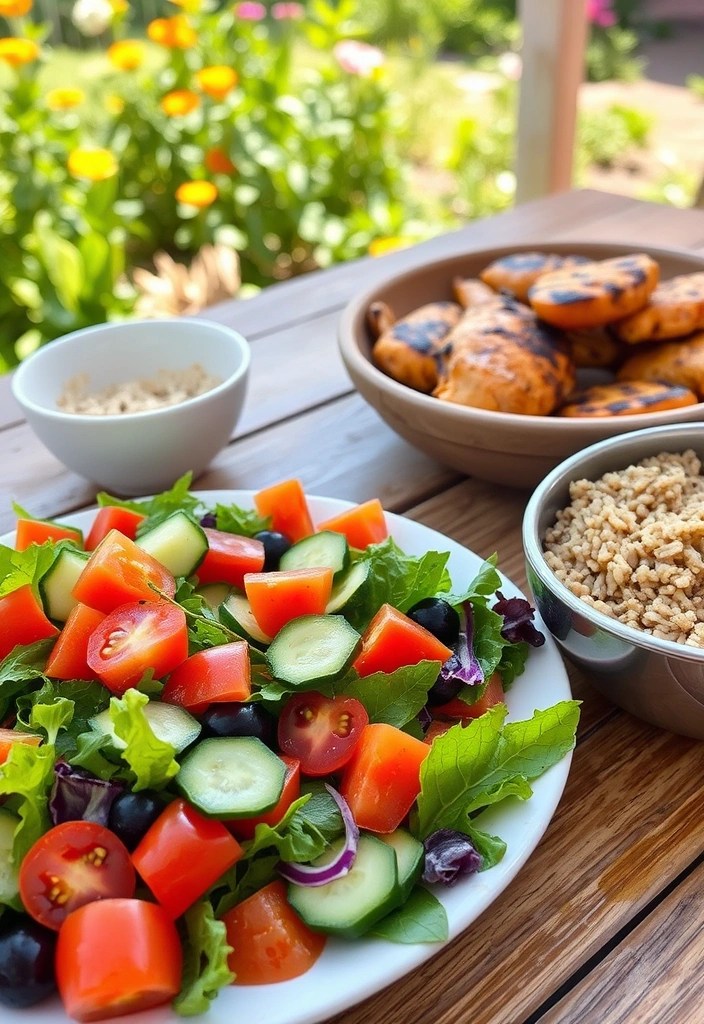
During Ramadan, prioritizing whole foods can greatly enhance your health and well-being. These nutrient-dense options are packed with essential vitamins and minerals, helping you feel fuller for longer periods. By incorporating organic whole grains, an array of assorted nuts, and a variety of fresh fruits into your meals, you can ensure a balanced diet that supports your fasting efforts.
This wholesome approach not only nourishes your body but also helps you maintain energy levels throughout the day. To add flavor, consider using a delicious salad dressing for your meals. Embrace these whole food options to enhance your overall well-being during this special month!
2. Stay Hydrated

Hydration is essential during Ramadan, particularly as you fast from dawn until dusk. To keep your energy levels up and aid digestion, it’s important to prioritize drinking plenty of water throughout the non-fasting hours.
Consider using an insulated water jug to help track your water intake and keep your beverages cool. You can also enhance your hydration with refreshing foods like cucumbers, watermelon, and nourishing soups. A delightful cucumber salad can be a great addition to your meals, and serving chilled watermelon slices as a dessert not only satisfies your sweet tooth but also boosts your hydration.
Don’t forget to indulge in comforting herbal teas; trying out various flavors with herbal tea variety packs can be a soothing way to stay hydrated while celebrating Ramadan. Additionally, using hydration reminder apps can help you keep track of your fluid intake throughout the day. Finally, whip up a light soup using fresh vegetables and broth for a delicious and hydrating meal option.
3. Plan Balanced Iftar Meals
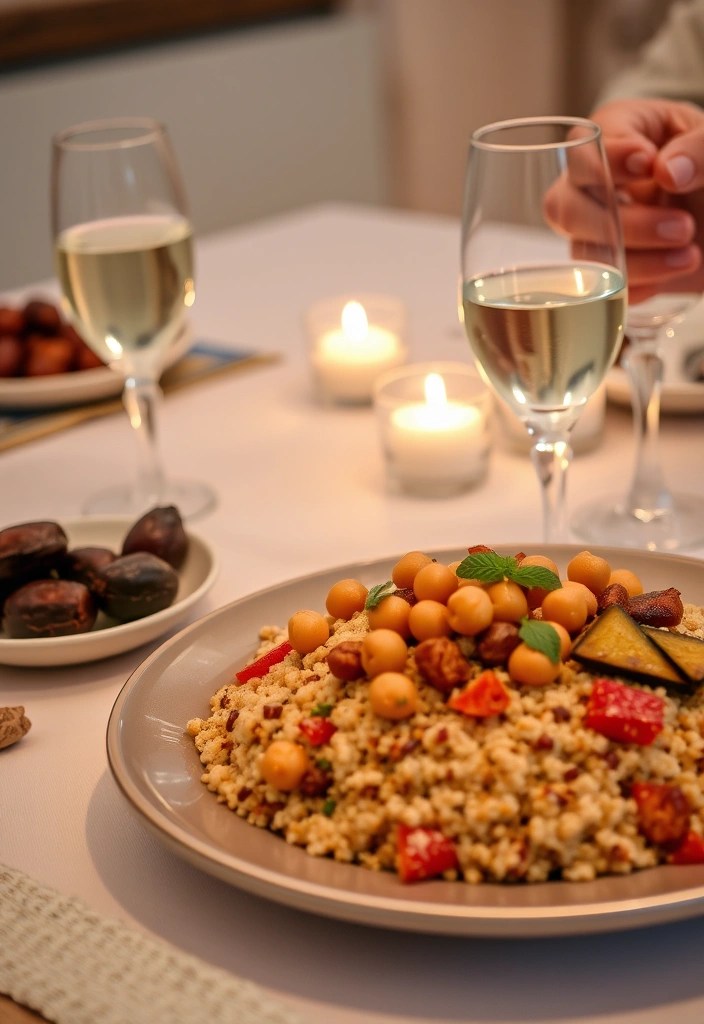
After a long day of fasting, it’s essential to create an iftar meal that provides a well-rounded balance of nutrients to restore your energy. Begin your meal by breaking your fast with 2-3 dates and a glass of water, as these not only offer quick energy but also are rich in essential minerals.
Next, prepare a base of organic quinoa or couscous, which will provide healthy carbohydrates. For protein, consider cooking chickpeas or lentils with flavorful spice blends for legumes that enhance their taste and nutritional value.
Don’t forget to include a variety of seasonal vegetables, which you can roast or steam, to add color and nutrients to your plate. To serve your delicious meal, invest in decorative serving dishes that make your dining experience even more enjoyable. Lastly, consider organizing your meal prep with meal prep containers to keep your ingredients fresh and ready for the next iftar. Planning your meals ahead of time will help you make healthier choices and create a satisfying dining experience.
4. Incorporate Superfoods

Superfoods are exceptional nutrient-rich ingredients that can significantly enhance your diet during Ramadan. By incorporating items such as chia seeds, spirulina powder, and acai berry puree, you can infuse your meals with powerful antioxidants and essential nutrients.
These superfoods can easily be added to a variety of dishes, from smoothies and salads to desserts, elevating both their nutritional value and flavor profiles. For instance, you can blend spirulina powder with almond milk and banana for a refreshing smoothie, or mix chia seeds with yogurt to create a delicious pudding.
To take your smoothie game up a notch, consider making a smoothie bowl topped with acai puree and fresh fruits. Don’t forget to use a quality smoothie blender for the perfect consistency, and serve your creations in beautiful decorative bowls to make your meals even more enticing!
5. Mindful Eating Practices

During Ramadan, embracing mindful eating practices is essential for cultivating a positive relationship with food. By taking a moment to appreciate the flavors and textures of your meals, you can truly nourish your body and soul. To enhance your dining experience, consider using elegant dinnerware sets that set a calming and inviting atmosphere.
Create a quiet space to eat, allowing yourself to slow down and fully engage your senses. As you chew slowly and savor each bite, reflect on the flavors and how they make you feel. Incorporating food portioning tools can help you serve appropriate amounts, preventing overeating and promoting better digestion.
Additionally, taking breaks during your meal to assess your hunger can be enhanced by jotting down your thoughts in a mindfulness journal. To further enrich your mindful eating practice, consider using calming aromatherapy diffusers to create a serene environment or exploring meditation apps that guide you towards a more centered approach to mealtime.
6. Snack Smartly

Healthy snacking is essential during Ramadan, as it helps bridge the gap between iftar and suhoor, providing you with the necessary energy and nutrients to sustain your day.
Instead of reaching for processed options, consider wholesome snacks like assorted nut mixes, Greek yogurt, and fresh fruits. These choices can help stabilize your energy levels and keep unhealthy cravings at bay.
To make your snacking even more convenient, stock up on snack containers for easy storage and portability. Preparing these healthy snacks in advance not only helps you stay on track during your busy days but also adds variety to your diet.
Here are some simple ideas to get you started:
1. Mix your assorted nuts for a quick, energy-boosting snack.
2. Serve Greek yogurt from Greek yogurt tubs topped with fresh berries for a delicious treat.
3. Prepare fruit skewers for easy snacking, making it simple to grab a healthy option on the go.
For more creative ideas, consider checking out healthy recipe books that provide inspiration for nutritious meals and snacks throughout Ramadan.
7. Get Creative with Recipes
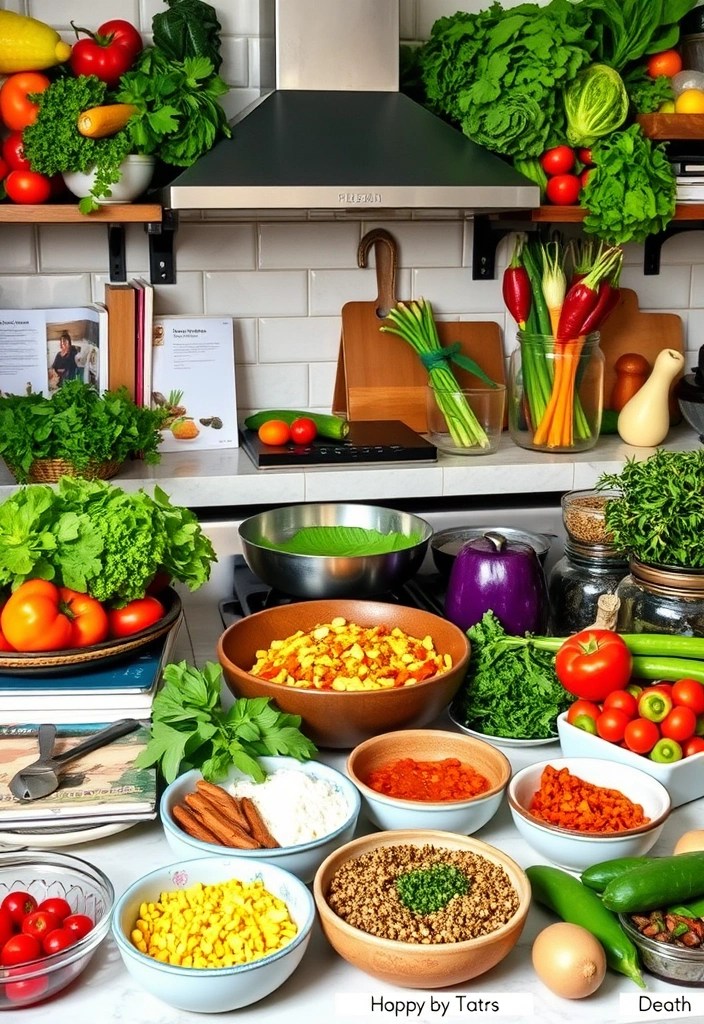
Ramadan is a wonderful time to dive into the culinary world and discover new recipes that align with your health objectives. By exploring various cuisines, such as Mediterranean and Asian, you can keep your meals vibrant and exciting. Don’t forget to gather fresh ingredients and spices; investing in a quality spice rack can help you organize and access the aromatic flavors that enhance your dishes.
Cooking together with family and friends not only creates delicious meals but also fosters a sense of community. Consider using cooking utensils to make the process smoother and more enjoyable. Additionally, you might want to check out some recipe books for inspiration, and don’t forget to prepare and store your meals in meal prep containers for convenience throughout the month. For those eager to expand their culinary skills, consider signing up for cultural cooking classes that can provide you with new techniques and recipes to try.
8. Prioritize Protein
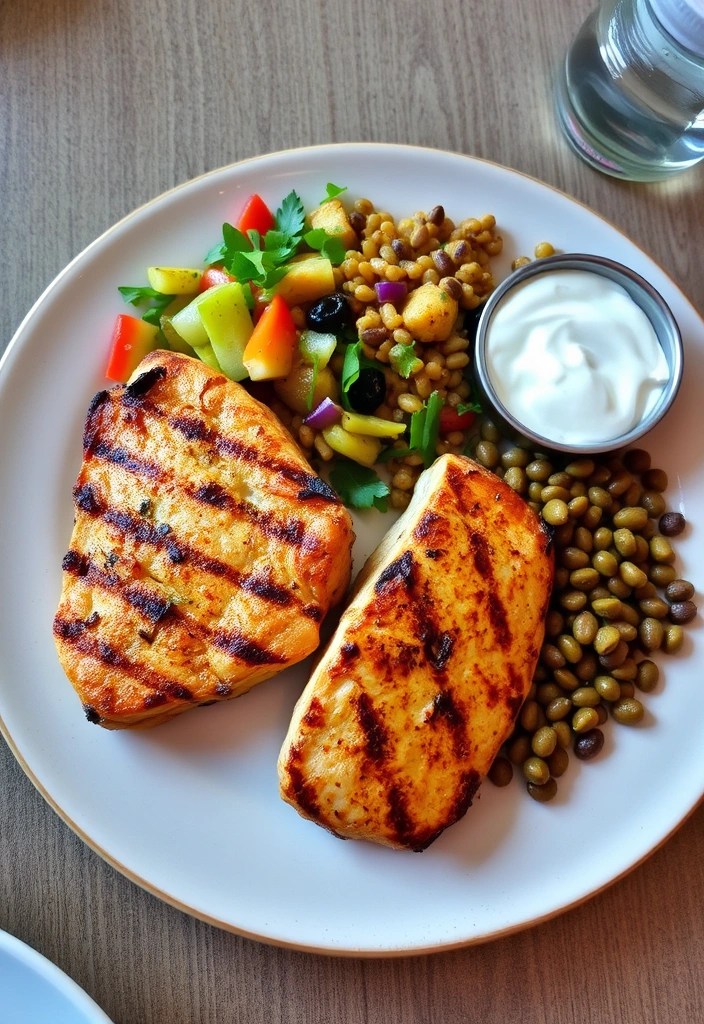
Incorporating a sufficient amount of protein into your meals during Ramadan is crucial for maintaining muscle health and overall well-being.
To ensure you’re getting the right nutrients, consider adding organic chicken fillets or wild-caught fish to your iftar and suhoor meals. These protein sources not only help keep you satiated for longer but also play a vital role in tissue repair and bolstering your immune system.
Don’t forget to include lentils or Greek yogurt as excellent options to enhance your protein intake.
You can grill the chicken or fish with a selection of spice blends for added flavor, cook lentils in broth for a delicious twist, and serve yogurt as a refreshing side dish to complete your meal.
9. Use Healthy Cooking Methods

How you prepare your meals can greatly influence their nutritional content.
To enhance your cooking, choose healthier methods such as grilling, baking, steaming, or sautéing rather than frying. These techniques not only help maintain the essential nutrients in your ingredients but also limit the use of unhealthy fats. For optimal flavor and health benefits, consider using quality oils like olive oil or coconut oil.
To get started, gather your ingredients and tools: you’ll need non-stick cooking pans, fresh herbs, and spices along with your choice of protein and vegetables.
1. Preheat your grill or oven to the desired temperature.
2. Season your protein and vegetables generously with your favorite herbs.
3. Cook them using your preferred method, being careful not to overuse the oil.
For grilling, having the right grilling tools can make a significant difference. Additionally, if you’re looking to incorporate fresh flavors, consider starting your own kitchen herb garden with products like kitchen herb gardens. Enjoy a delicious, healthy meal that nourishes your body during Ramadan!
10. Adjust Your Sleep Schedule

Fasting during Ramadan can significantly impact your sleep patterns, leading to decreased energy levels throughout the day. To mitigate this effect, it’s essential to adjust your sleep schedule and ensure you’re getting the rest you need. Consider establishing a consistent bedtime and wake-up time, allowing for short naps during the day and longer periods of sleep at night to rejuvenate your body and mind.
Creating a calming environment for sleep can enhance your rest quality. You might want to invest in sleep masks to block out light, or use aromatherapy diffusers to fill your space with calming scents. Drinking calming teas before bedtime can also help you unwind.
Additionally, consider incorporating white noise machines to drown out disruptive sounds and create a peaceful atmosphere. Lastly, upgrading to comfy bedding can make a world of difference in your overall sleep comfort. Prioritizing these sleep strategies will help you feel more energized and focused throughout your fasting days.
11. Share the Joy of Ramadan

Community plays a vital role during Ramadan, and sharing meals can significantly enrich your experience.
Invite friends and family to join you for iftar, and consider preparing generous portions in large serving dishes that make sharing effortless. You can also prepare meals for those in need, as this act of sharing not only brings joy but also strengthens connections and highlights the importance of compassion during this sacred month.
Engage in communal cooking or potluck-style dinners by encouraging everyone to bring a dish to share, which can create a delightful array of flavors. To enhance your dining experience, consider adding some festive table decorations that reflect the spirit of Ramadan.
Moreover, having cookware sets handy will ensure that you can prepare a variety of dishes to accommodate different tastes, while dining table essentials will set the stage for a warm, inviting atmosphere. Don’t forget to jot down your favorite recipes on recipe cards to share with your guests, creating lasting memories and connections during this beautiful month.
12. Reflect and Set Goals

Ramadan is not solely about fasting; it’s a profound opportunity for reflection and goal setting. During this sacred month, take the time to evaluate your personal and spiritual aspirations. Consider capturing your thoughts and experiences in a journal, where you can document your challenges and dreams.
Setting clear intentions can enhance your focus and motivation, not just throughout Ramadan, but in your life thereafter, fostering personal growth and fulfillment.
To make this process even more engaging, you might want to use some colorful pens to add flair to your journaling. Additionally, create a visual representation of your goals with vision board supplies that can inspire you daily.
Incorporate motivational literature into your routine with motivational books that provide encouragement and guidance. Lastly, keep your workspace organized with desk organizers, creating a conducive environment for reflection and creativity.
Conclusion
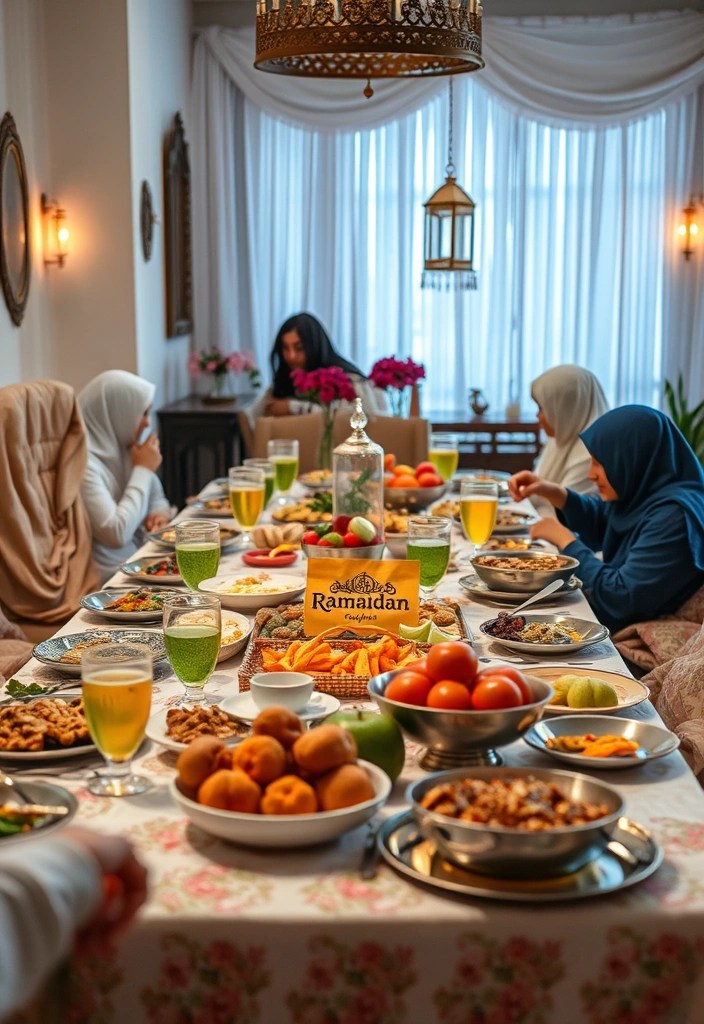
Planning a healthy Ramadan is not only achievable but also immensely rewarding.
By incorporating these tips into your daily routine, you can enhance your fasting experience while nurturing your body and soul. Embrace this holy month with a focus on health, joy, and community, and let it inspire you beyond Ramadan.
Note: We aim to provide accurate product links, but some may occasionally expire or become unavailable. If this happens, please search directly on Amazon for the product or a suitable alternative.
This post contains Amazon affiliate links, meaning I may earn a small commission if you purchase through my links, at no extra cost to you.



 Haoua's Tale
Leave a comment