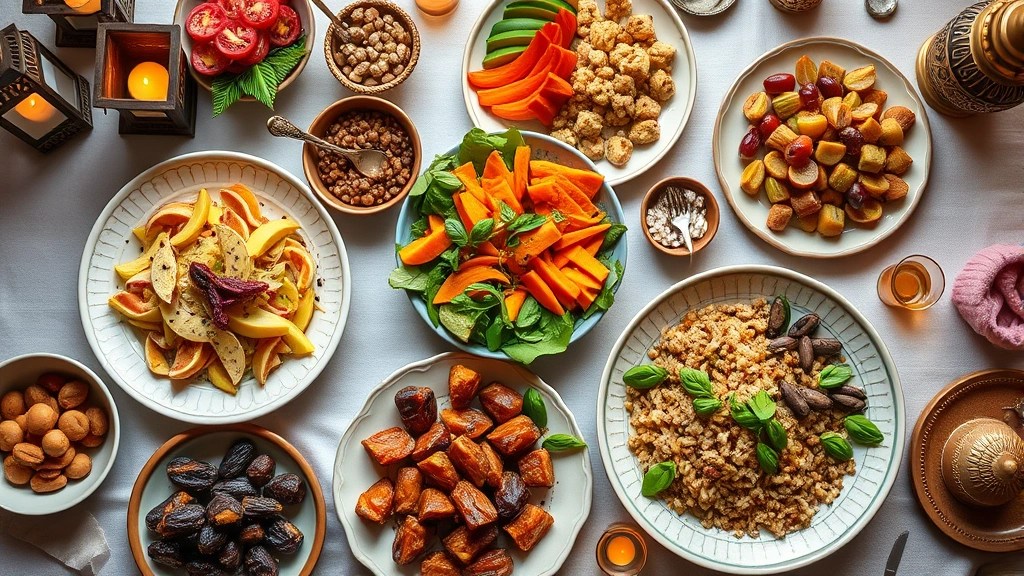
As the holy month of Ramadan approaches, many of us seek to enhance our spiritual journey while also focusing on our health. Maintaining a balanced diet during fasting is crucial for energy and vitality. In this listicle, we will share twelve healthy eating tips that will help you navigate Ramadan with grace and nourishment.
From meal planning strategies to nutritious recipes, these tips will not only keep your body fueled but also ensure that you enjoy delightful meals with family and friends. Let’s embark on this culinary adventure that marries faith and health beautifully.
Contents
- 1. Start Your Iftar with Dates and Water
- 2. Hydration is Key
- 3. Balanced Suhoor Meal
- 4. Colorful Salads with Whole Grains
- 5. Get Creative with Smoothies (You Won’t Believe #5!)
- 6. Mindful Eating Practices
- 7. Healthy Snack Options
- 8. Incorporate Fermented Foods
- 9. Limit Sugary Drinks
- 10. Plan Your Meals Ahead
- 11. Seek Balance Over Perfection
- 12. Enjoy the Process
1. Start Your Iftar with Dates and Water

Breaking your fast with dates and water is not merely a cherished tradition; it’s an excellent way to replenish your body after a long day of fasting. Dates, particularly fresh Medjool dates, are packed with natural sugars, fiber, and essential minerals, providing a quick energy boost. Pairing them with a glass of stylish glassware filled with lukewarm water not only helps rehydrate your body but also enhances the overall experience.
To create a beautiful presentation, consider using decorative plates to serve your dates. Simply place 2-3 fresh dates on a decorative plate and serve them alongside a glass of water. This simple yet effective combination not only prepares your stomach for the meal ahead but also aids digestion and enhances nutrient absorption.
Starting your Iftar this way is a lovely homage to tradition while keeping your health at the forefront.
2. Hydration is Key

During Ramadan, maintaining proper hydration is essential, especially when fasting for extended periods. It’s recommended to consume at least 2-3 liters of water between Iftar and Suhoor. Incorporating hydrating foods such as cucumbers, oranges, and soups can significantly aid in keeping your fluid levels up. Herbal teas are also excellent choices, as they can soothe digestion while contributing to your hydration needs.
To make hydration more enjoyable, you can prepare a delicious cucumber and mint-infused water. This refreshing beverage not only looks appealing but also adds a delightful flavor to your water intake. For the best experience, consider using an infuser water bottle that allows you to infuse flavors easily.
Here’s a simple recipe to get started:
**Ingredients:**
– 1 medium cucumber (sliced)
– A handful of fresh mint leaves, which you can grow at home by purchasing fresh mint plants
– 1 liter of water
**Process:**
1. Combine cucumber slices and mint leaves in a pitcher or your infuser water bottle.
2. Pour in the water and let it infuse for at least 1 hour.
3. Serve chilled for a refreshing drink during Iftar.
To make slicing your cucumbers easier, consider using slicing tools for cucumbers that ensure uniform slices. This simple recipe enhances your hydration while providing a refreshing twist to your water intake.
3. Balanced Suhoor Meal
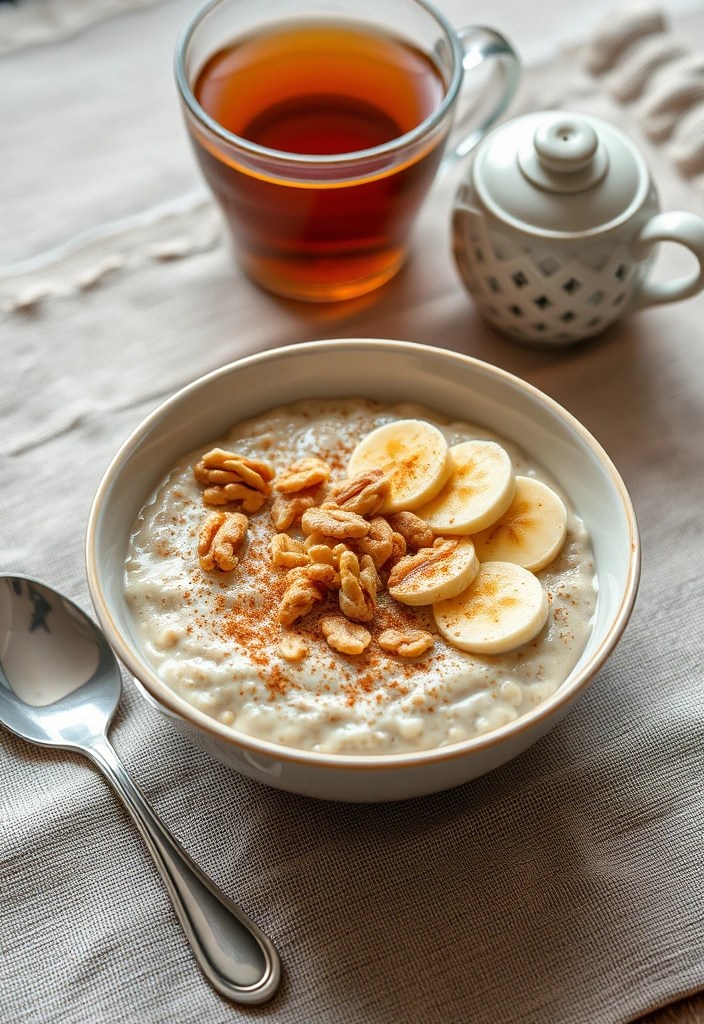
Suhoor, the pre-dawn meal, plays a vital role in providing the energy needed to sustain you throughout the day of fasting. To create a balanced meal, it’s essential to incorporate complex carbohydrates, protein, and healthy fats. A great option is a hearty bowl of oatmeal, which can be enhanced with toppings like nuts and fruits.
For a delicious Suhoor, consider preparing a satisfying oatmeal bowl. Begin by cooking rolled oats in almond milk and then top it with sliced bananas, a sprinkle of cinnamon, and a handful of walnuts for an added crunch and healthy fats.
Here’s a simple recipe to follow:
Ingredients:
– 1 cup rolled oats
– 2 cups almond milk
– 1 banana (sliced)
– 1 tablespoon walnuts (chopped)
– 1 teaspoon cinnamon
Process:
1. In a small pot, combine the oats and almond milk; cook over medium heat until the mixture is creamy.
2. Transfer the oatmeal to a bowl and top it with sliced banana, walnuts, and a sprinkle of cinnamon.
3. Enjoy this nourishing Suhoor to kickstart your day with lasting energy and fullness.
4. Colorful Salads with Whole Grains

Incorporating colorful salads into your Iftar can not only elevate your meal visually but also enhance its nutritional value. By using a variety of vegetables, whole grains, and healthy dressings, you can create a nutrient-dense dish that is both satisfying and appealing. Consider adding quinoa, brown rice, or farro to your salad for an extra boost of fiber and protein.
For a delightful and vibrant option, try a quinoa salad featuring cherry tomatoes, cucumbers, and bell peppers, all dressed with a zesty lemon vinaigrette. This lively dish not only satisfies your hunger but also pleases your eyes, making it a perfect addition to your Iftar table.
To prepare this delicious salad, you will need the following ingredients:
– 1 cup cooked quinoa
– 1 cup cherry tomatoes (halved)
– 1 cucumber (diced)
– 1 bell pepper (diced)
– 2 tablespoons olive oil
– Juice of 1 lemon
– Salt and pepper to taste
Process:
1. In a large bowl, combine the cooked quinoa, cherry tomatoes, cucumber, and bell pepper.
2. Drizzle with olive oil and lemon juice, then season with salt and pepper.
3. Toss gently and serve chilled or at room temperature.
For an added touch, consider serving your salad in assorted salad bowls to make the presentation even more appealing. And to ensure you get the most out of your lemon, a lemon juicer can be a handy tool in your kitchen. This salad is not only healthy but also incredibly versatile, making it a crowd-pleaser at your Iftar gathering.
5. Get Creative with Smoothies (You Won’t Believe #5!)

Smoothies are a fantastic and delicious option for breaking your fast during Ramadan, providing a nutritious way to incorporate fruits, vegetables, and healthy fats into your diet. Not only are they refreshing, but they also help boost your energy levels after a long day of fasting.
For an energizing treat, try making a nourishing green smoothie using fresh ingredients. A blend of spinach, banana, almond milk, and almond butter creates a satisfying drink packed with essential nutrients. To make the process even easier, consider investing in a high-speed blender like this one: High-Speed Blender, which can effortlessly blend your ingredients to a smooth consistency.
Here’s a simple recipe to get you started:
**Ingredients:**
– 1 cup fresh spinach (you can find some great options here: Fresh Spinach)
– 1 banana
– 1 cup almond milk
– 1 tablespoon almond butter
– 1 tablespoon honey (optional)
**Process:**
1. Combine spinach, banana, almond milk, and almond butter in your blender.
2. Blend until smooth, adding more almond milk if necessary.
3. Taste your smoothie and add honey for sweetness if desired.
For an eco-friendly touch, consider using reusable smoothie straws, which you can find here: Reusable Smoothie Straws. This smoothie not only refreshes but also delivers vital nutrients post-fasting, making it a perfect addition to your Ramadan meals!
6. Mindful Eating Practices

Practicing mindful eating during Ramadan allows you to fully appreciate your meals while tuning into your body’s hunger signals. Take your time to savor each bite, as this can lead to improved digestion and greater satisfaction. To enhance your dining experience, avoid distractions like screens and focus instead on the rich flavors and textures of your food.
Begin by arranging your meal on a beautifully designed plate, using vibrant colors and garnishes to create an appealing presentation. Consider investing in decorative plates that not only elevate your meal’s appearance but also encourage you to eat more slowly and mindfully.
Find a calm space to enjoy your meal, free from distractions. As you sit down, take small bites and chew thoroughly, appreciating each flavor. Creating a soothing atmosphere can further enhance this experience; consider adding calming table settings to your dining area.
Mindful eating can transform your meals into a more enjoyable and fulfilling experience, especially during this holy month.
7. Healthy Snack Options

It’s easy to overindulge during Iftar, which is why having healthy snacks readily available can help manage cravings while staying on track with your diet. Focus on snacks that are rich in fiber and protein, such as mixed nuts, seeds, and yogurt. These nutritious options will keep you feeling satisfied between meals and help prevent overeating.
Consider preparing a delightful snack box filled with a variety of dried fruits, nuts, and a small portion of dark chocolate for a sweet indulgence. This combination not only provides energy but also essential nutrients to support your fasting days.
To create your own snack box, simply combine 1/4 cup each of almonds, walnuts, dried apricots, and dark chocolate pieces in a snack box. Enjoy this healthy treat in the evening or as a mid-day boost. With its perfect blend of flavors and crunch, this snack box is an ideal companion for your Ramadan journey.
8. Incorporate Fermented Foods
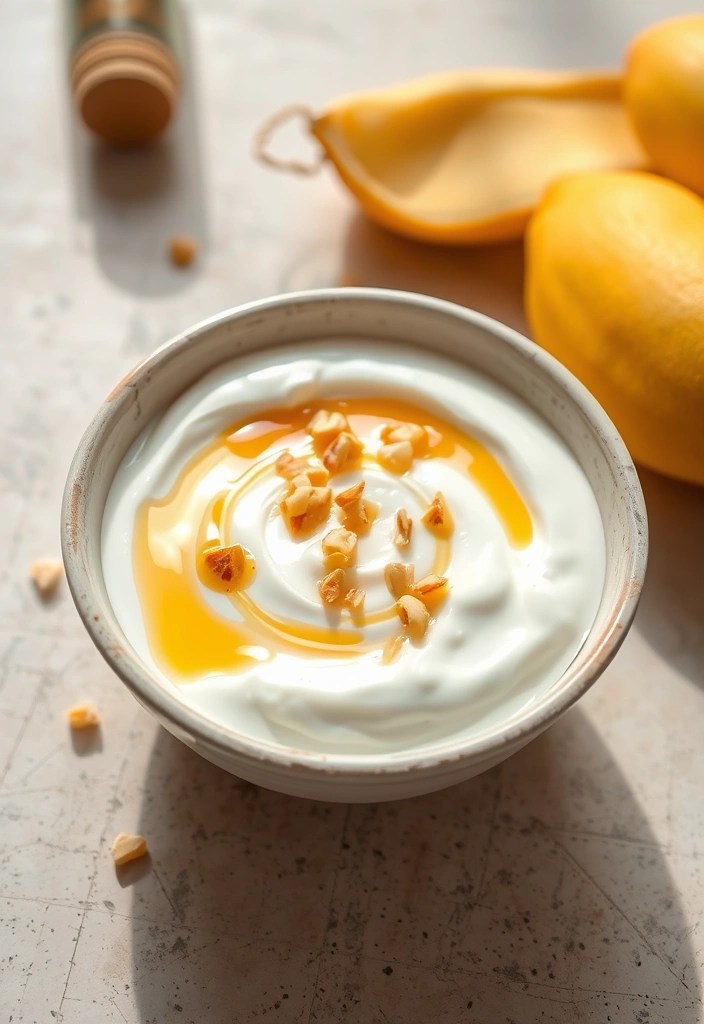
Fermented foods are essential for promoting gut health, particularly during the fasting period of Ramadan. Incorporating items such as plain yogurt, honey, and various mixed nuts into your diet can provide a wealth of probiotics that aid digestion and enhance your immune system.
To easily add fermented foods to your meal plan, consider serving a delightful bowl of yogurt topped with honey and nuts as a dessert or side dish at Iftar. This not only satisfies your sweet cravings but also offers a nutritious boost to your evening meal.
Here’s a quick recipe:
1. Start with 1 cup of plain yogurt in a small bowl.
2. Drizzle 1 tablespoon of honey over the yogurt and then sprinkle with 2 tablespoons of mixed nuts (chopped).
3. Serve this refreshing dish chilled, and enjoy a delicious, gut-friendly dessert that will surely please your palate while supporting your health.
9. Limit Sugary Drinks

While sugary drinks might be tempting during Ramadan, they can lead to energy crashes and dehydration. Instead, consider opting for natural beverages such as fresh fruit juices or herbal teas. These alternatives not only provide hydration but also eliminate the added sugars and empty calories often found in commercial drinks.
For a delightful and refreshing option, try making a watermelon juice. Simply blend fresh watermelon chunks and strain the juice for a hydrating drink packed with vitamins. To make the process easier, you might want to use a watermelon slicer to quickly cut up your fruit.
Here’s a simple recipe to enjoy:
**Ingredients:**
– 4 cups fresh watermelon (cubed)
**Process:**
1. Place the watermelon cubes in a blender and blend until smooth.
2. Strain the juice through a fine mesh sieve into a pitcher.
3. Chill before serving to enjoy this refreshing drink.
You can enhance your juicing experience by using a quality juicer to create other flavorful juices throughout Ramadan. Finally, pour your creations into a nice glass pitcher for a beautiful presentation. This simple recipe not only provides a sweet, hydrating alternative to sugary drinks but also helps you stay refreshed during this holy month.
10. Plan Your Meals Ahead
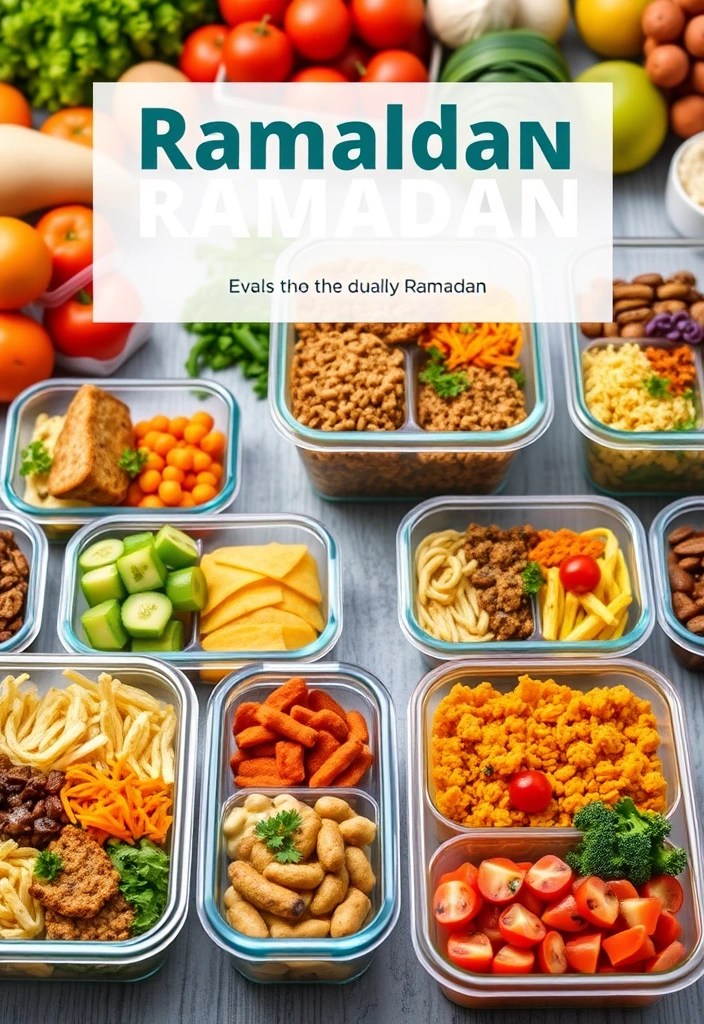
Meal planning is a powerful strategy to help you maintain a balanced diet throughout Ramadan. By dedicating some time to organize your meals for the week, you can ensure that you include a diverse range of nutrients essential for your health. Preparing meals in advance not only saves precious time but also helps you avoid unhealthy last-minute decisions.
To get started, create a weekly meal plan that incorporates a variety of proteins like chicken, fish, or legumes, paired with whole grains such as brown rice or quinoa. Fresh vegetables, like broccoli and spinach, should also be central to your meals, along with fruits for snacking, such as apples and bananas. Using meal prep containers can help keep your meals organized and easily accessible.
Here’s a simple process to follow:
1. Set aside a day dedicated to meal prep, where you can cook proteins and grains in larger batches.
2. Portion everything into storage bags or containers along with your vegetables and fruits.
3. Store these in the fridge for quick and convenient access throughout the week.
With a well-structured plan in place, you can enjoy nutritious meals without the daily cooking stress. For additional guidance, consider investing in meal planning books to inspire your culinary journey during Ramadan.
11. Seek Balance Over Perfection
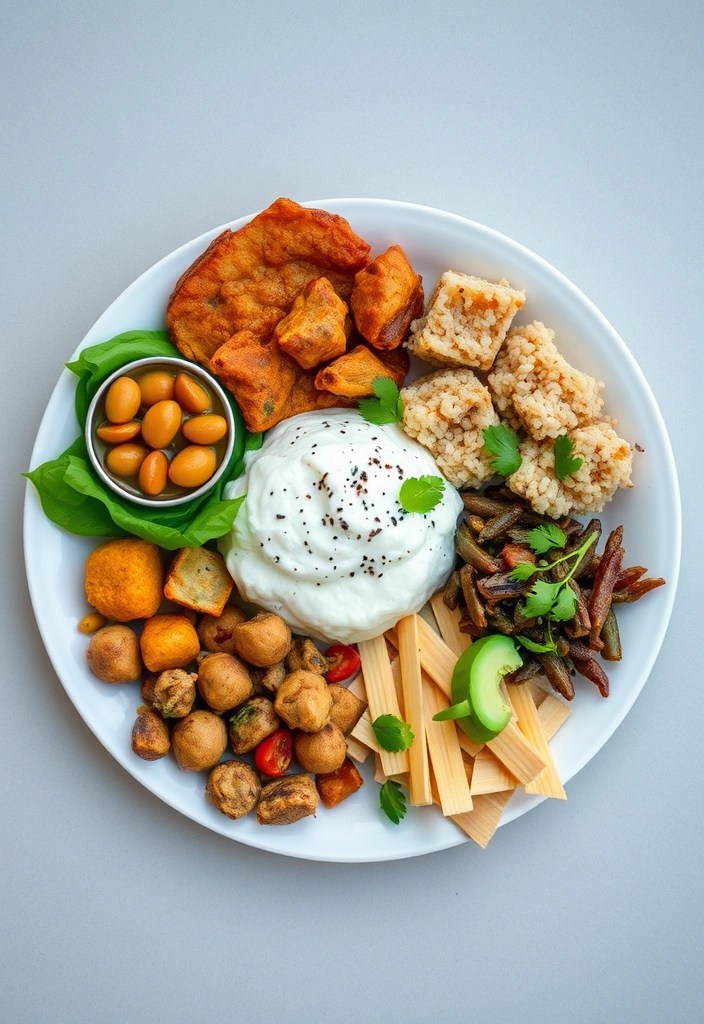
Remember that Ramadan is a holistic journey that encompasses not just fasting but also physical, spiritual, and emotional well-being. It’s essential to aim for balance in your diet instead of striving for perfection. You can savor traditional foods in moderation while also making room for healthier options.
To help with portion control, consider using food portioning tools that can assist you in maintaining a balanced intake. If you find yourself enjoying sweets or fried foods, balance those indulgences with nutritious meals at other times.
Additionally, reflecting on how your food choices impact your body and mind is crucial. A mindfulness journal can be a great tool to help you track your feelings and make necessary adjustments to your eating habits. Adopting this mindset will allow you to navigate Ramadan with a healthier perspective, ultimately enhancing your overall experience.
12. Enjoy the Process

Lastly, take the time to truly enjoy the process of cooking and sharing meals with your loved ones during Ramadan. This month is centered around community, connection, and spirituality, and engaging in meal preparation can become a joyful experience when you involve family and friends.
Consider investing in quality cookware sets to make your cooking sessions even more enjoyable. As you gather in the kitchen, assign tasks to each family member, ensuring that everyone has a role to play.
You can also explore family cooking books for new, exciting recipes to try together. Cook, share stories, and savor the meal as a unit.
Don’t forget to use handy kitchen gadgets that can make the process smoother and more fun! Embracing this communal spirit not only enriches your meals but also enhances your overall Ramadan experience.
Conclusion

As Ramadan unfolds, these healthy eating tips can guide you to enjoy this sacred month while nurturing your body and spirit. Balancing tradition with nourishing foods will enhance your fasting experience and bring joy to your meals.
We invite you to embrace these practices and share your own tips and dishes with us! Together, let’s celebrate the spirit of Ramadan with health and happiness.
Note: We aim to provide accurate product links, but some may occasionally expire or become unavailable. If this happens, please search directly on Amazon for the product or a suitable alternative.
This post contains Amazon affiliate links, meaning I may earn a small commission if you purchase through my links, at no extra cost to you.



 Haoua's Tale
Leave a comment